
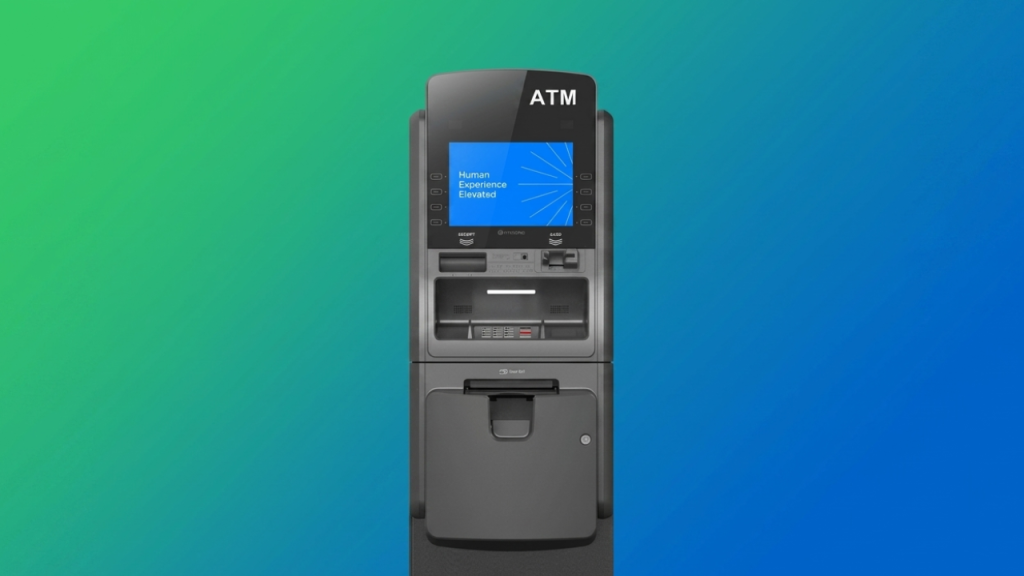
Adding an ATM to a business location can provide greater convenience for customers while creating an additional source of revenue for business owners. Despite the increasing popularity of digital payment methods, cash remains an essential payment option for many consumers, especially in convenience stores, restaurants, entertainment venues, and other high-traffic locations. Installing an ATM can help improve customer satisfaction by providing immediate access to cash without requiring customers to leave the premises.
Before deciding to buy ATM machine, it is important to understand the different types of ATMs, the costs involved, compliance requirements, and the factors that contribute to long-term success. Careful planning ensures that the investment aligns with your business objectives and customer needs. Industry experts also emphasize that location, security, and ongoing maintenance are among the most important considerations when purchasing an ATM.
Why Businesses Invest in ATMs
Many businesses choose to install ATMs because they offer benefits beyond simply dispensing cash. An ATM can encourage customer spending, reduce card processing expenses for cash purchases, and provide added convenience for visitors.
Some common benefits include:
- Increased customer convenience
- Additional transaction fee income
- Higher foot traffic
- Greater customer retention
- Reduced dependence on card payments
- Improved cash accessibility
Businesses operating in cash-intensive industries often find that customers appreciate having easy access to cash without visiting a nearby bank.
Types of ATM Machines
Before you buy ATM machine, it is helpful to understand the different models available.
Free-Standing ATMs
These are the most common commercial ATMs and can be installed inside retail stores, restaurants, hotels, and other business locations.
Wall-Mounted ATMs
Wall-mounted machines save floor space and are suitable for businesses with limited interior room.
Through-the-Wall ATMs
These machines are installed through an exterior wall, allowing customers to access cash without entering the building.
Cash Recycler ATMs
Cash recyclers accept deposits while reusing deposited cash for future withdrawals, improving cash management efficiency.
Selecting the appropriate type depends on available space, customer traffic, and business requirements.
Factors to Consider Before You Buy
Choosing the right ATM involves more than comparing purchase prices.
Business Location
A high-traffic location significantly increases transaction volume. Retail stores, convenience stores, restaurants, bars, hotels, and entertainment venues often experience consistent ATM usage.
Security Features
Modern ATMs include advanced security measures such as encrypted PIN entry, EMV compatibility, secure locking systems, and anti-skimming technologies to help protect customer transactions.
Compliance Requirements
ATM owners should ensure machines comply with applicable accessibility, payment network, and security regulations before installation.
Installation Requirements
Businesses should evaluate electrical access, internet connectivity, available floor space, and physical security before installation begins.
Benefits of Installing an ATM
Choosing to buy ATM machine offers several long-term operational advantages.
Improved Customer Experience
Customers appreciate convenient access to cash, particularly when nearby banking facilities are unavailable.
Additional Revenue Opportunities
Many ATM owners generate income through transaction surcharge fees, making ATMs a potential supplemental revenue source when installed in suitable locations.
Increased Cash Sales
Businesses that primarily accept cash purchases often benefit when customers can withdraw money without leaving the premises.
Competitive Advantage
Offering ATM services can make a business more convenient compared to nearby competitors that do not provide cash access.
Choosing the Right ATM Features
Modern ATM machines include various features designed to improve performance and customer satisfaction.
Important features may include:
- EMV card compatibility
- Contactless payment support
- High cash storage capacity
- Remote monitoring
- User-friendly touchscreen displays
- Secure encryption
- Energy-efficient operation
Evaluating these features helps ensure the machine meets both current and future operational requirements.
Maintenance and Ongoing Operation
After you buy ATM machine, regular maintenance helps maximize reliability and customer satisfaction.
Recommended maintenance practices include:
- Regular cash replenishment
- Cleaning screens and keypads
- Monitoring transaction reports
- Updating software when required
- Inspecting security components
- Scheduling preventive maintenance
Routine servicing minimizes downtime while improving overall machine performance.
Is an ATM Suitable for Every Business?
Although many businesses benefit from ATM installation, success often depends on customer traffic and payment preferences.
Industries that commonly use ATMs include:
- Convenience stores
- Grocery stores
- Hotels
- Restaurants
- Nightclubs
- Shopping centers
- Entertainment venues
- Gas stations
An ATM for retailer can be particularly valuable where customers frequently make impulse purchases or prefer using cash.
Common Mistakes to Avoid
Businesses considering ATM ownership should avoid several common mistakes.
These include:
- Choosing a low-traffic location
- Ignoring compliance requirements
- Underestimating maintenance needs
- Failing to secure the machine properly
- Selecting equipment without future upgrade capability
- Overlooking ongoing operating costs
Careful planning reduces these risks and supports long-term operational success.
Future Trends in ATM Technology
ATM technology continues to evolve alongside changing consumer expectations. Many modern machines now include contactless transactions, enhanced security systems, remote diagnostics, cloud-based monitoring, and improved accessibility features. Cash recycling technology and smarter transaction management are also becoming more common, allowing businesses to operate more efficiently while improving customer service. As financial technology advances, businesses investing in modern ATM systems will be better positioned to meet future customer demands.
Conclusion
Installing an ATM can provide lasting benefits for businesses by improving customer convenience, supporting cash transactions, and creating additional income opportunities. However, selecting the right machine requires careful consideration of location, security, compliance, maintenance, and long-term operational needs. For organizations looking to expand customer services and improve cash accessibility, choosing an ATM for retailer can be an effective step toward enhancing both customer experience and business operations. Businesses that evaluate these factors thoroughly are more likely to achieve a successful return on their investment.
