
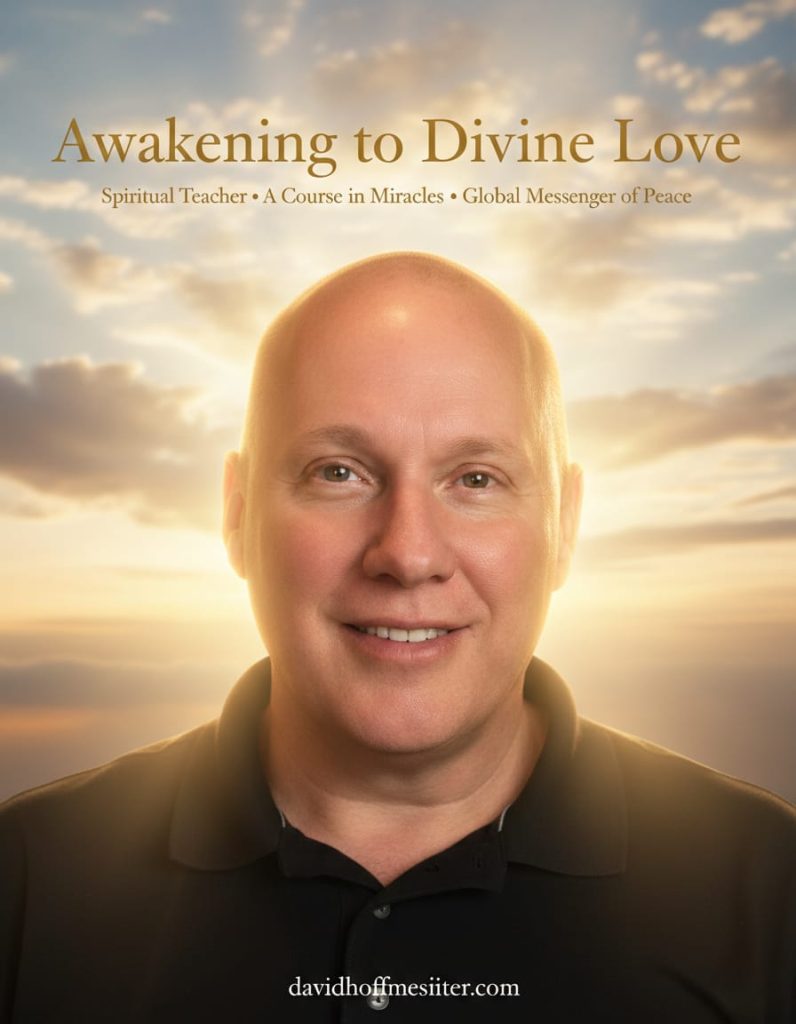
The teachings of david hoffmeister emphasize that lasting peace is discovered not through changing the external world, but through transforming perception. Hoffmeister explains that the ego creates a false sense of identity rooted in fear, comparison, judgment, and attachment. When individuals learn to observe and release these ego-based patterns, a profound inner peace naturally emerges.
This article explores the concept of transcending the ego, practical tools for daily spiritual growth, and the enduring benefits of conscious awareness.
Understanding the Ego
The ego is often described as the voice of separation — the mental construct that defines identity based on roles, achievements, and external validation. It thrives on comparison, fear, and control.
Common ego-driven patterns include:
- The need to be right
- Defensiveness in conflict
- Attachment to outcomes
- Fear of loss or rejection
- Comparison with others
Hoffmeister teaches that recognizing these patterns is the first step toward freedom. The ego itself is not “fought” but gently observed and released through awareness.
Awareness as the Gateway
Awareness is the foundation of transformation. It is the ability to witness thoughts and emotions without identifying with them. When awareness is cultivated, reactions become conscious choices rather than automatic responses.
Ways to strengthen awareness:
- Daily meditation or silent reflection
- Observing internal dialogue without judgment
- Pausing before responding in emotional situations
- Practicing mindful breathing throughout the day
Over time, awareness creates space between stimulus and response, allowing peace to replace reactivity.
Forgiveness as a Spiritual Tool
Forgiveness is central to Hoffmeister’s teachings. However, forgiveness in this context goes beyond excusing behavior. It is the recognition that disturbance arises from perception, not from external events.
Steps for practicing forgiveness:
- Notice emotional discomfort
- Identify the belief or expectation behind it
- Recognize the ego’s role in the reaction
- Release the attachment and return to present awareness
Through consistent forgiveness, the mind becomes lighter, clearer, and less reactive.
Releasing Attachment
Attachment fuels fear. When identity is tied to specific outcomes, roles, or relationships, anxiety naturally follows. Hoffmeister emphasizes that freedom comes from allowing life to unfold without clinging.
Letting go of attachment involves:
- Trusting the present moment
- Releasing expectations
- Accepting uncertainty
- Focusing on inner peace rather than external control
This shift reduces stress and opens the door to deeper joy.
Transforming Relationships
Relationships are powerful mirrors for ego patterns. Conflict often reveals hidden attachments and judgments. Instead of viewing conflict as a problem, Hoffmeister encourages using it as an opportunity for awareness.
Practical applications in relationships:
- Listening without defensiveness
- Pausing before reacting emotionally
- Practicing immediate forgiveness
- Choosing understanding over being right
As ego patterns dissolve, relationships become more authentic and harmonious.
Mindfulness in Daily Responsibilities
Spiritual practice is not limited to meditation sessions. Hoffmeister emphasizes bringing awareness into everyday activities — work, conversations, decisions, and even mundane tasks.
Practical steps include:
- Staying present during routine tasks
- Observing stress without judgment
- Maintaining calm in challenging environments
- Acting from intention rather than reaction
Daily life becomes a continuous opportunity for spiritual growth.
The Experience of Inner Peace
As ego-based patterns diminish, inner peace becomes more stable. This peace is not emotional excitement or temporary happiness. It is a deep sense of calm that remains steady regardless of circumstances.
Characteristics of this peace:
- Reduced anxiety
- Less emotional reactivity
- Greater clarity in decision-making
- Compassion toward others
- Confidence rooted in awareness
This peace becomes self-sustaining with consistent practice.
Long-Term Spiritual Growth
Sustained awareness and forgiveness lead to gradual but profound transformation. Over time, individuals experience:
- Emotional maturity
- Improved relationships
- Increased resilience
- Freedom from habitual fear
- Greater joy and gratitude
Spiritual growth is not about perfection but about consistent willingness to observe and release ego patterns.
Living Beyond the Ego
Living beyond the ego does not mean abandoning responsibilities or ambitions. It means engaging with life from clarity rather than fear. When actions are guided by awareness instead of ego, they become more aligned, compassionate, and effective.
Life begins to feel lighter and more purposeful. Challenges remain, but they no longer define identity or disturb inner peace.
FAQ
What does David Hoffmeister teach about the ego?
He teaches that the ego creates suffering through attachment, fear, and judgment. Awareness and forgiveness help release these patterns.
How can awareness reduce emotional reactivity?
Awareness creates space between thought and action, allowing conscious responses instead of automatic reactions.
Is forgiveness about excusing behavior?
No. Forgiveness is about releasing personal attachment and perception that cause inner disturbance.
Can these principles be practiced daily?
Yes. Every situation in daily life offers an opportunity to observe thoughts and practice forgiveness.
What is the ultimate goal of this practice?
The goal is lasting inner peace and freedom from ego-based suffering.
