
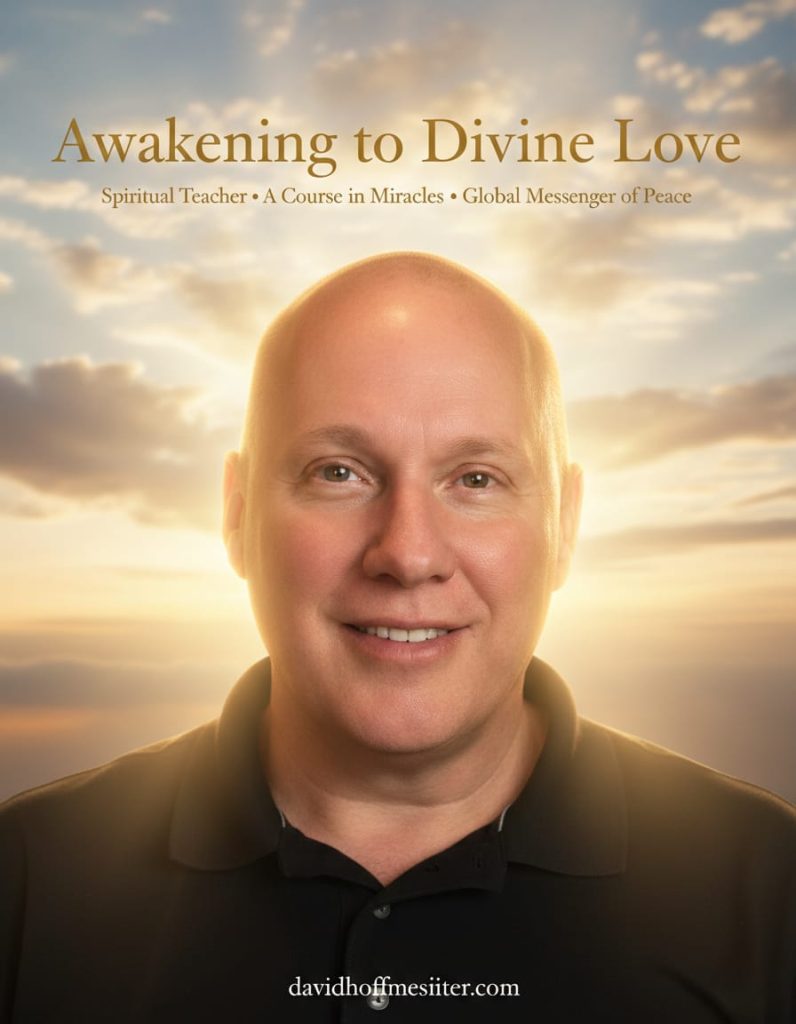
In a world filled with stress, resentment, and constant judgment, forgiveness can seem difficult or even impossible. David Hoffmeister teaches that forgiveness is the key to emotional and spiritual healing. According to david hoffmeister wikipedia, he is recognized globally for guiding individuals to release guilt, fear, and resentment through practical spiritual exercises based on A Course in Miracles.
Forgiveness, as David explains, is not about excusing behavior but about freeing the mind from the chains of past experiences. It transforms perception, allowing people to experience inner peace and emotional liberation.
This article explores Hoffmeister’s approach to forgiveness and how it impacts daily life, relationships, and spiritual growth.
Understanding Forgiveness
David Hoffmeister defines forgiveness as a mental shift from judgment to understanding. Most emotional suffering arises from holding onto anger, blame, or resentment. When these feelings persist, they create ongoing mental and emotional stress.
Forgiveness helps individuals:
- Release resentment
- Heal emotional wounds
- Reduce anxiety and stress
- Improve relationships
- Reconnect with inner peace
It is a conscious decision to see beyond the ego and recognize the inherent innocence of every being.
The Role of Perception in Forgiveness
David emphasizes that perception shapes reality. Negative judgments about others or oneself distort experience. By shifting perception, emotional pain can be reduced.
Key points:
- Recognize judgments as mental constructs
- Observe thoughts without attachment
- Choose love over fear
- Practice compassion daily
- Accept imperfection in self and others
Through these steps, forgiveness becomes not just a concept but a lived experience.
Practical Exercises for Forgiveness
Hoffmeister provides practical exercises to facilitate forgiveness. These exercises help people release anger and find emotional freedom.
Examples:
- Mindful Reflection – Identify triggers and examine thoughts calmly.
- Journaling – Write feelings without censoring or blaming.
- Silent Meditation – Focus on releasing judgment and opening to love.
- Affirmations – Repeat statements that reinforce forgiveness and compassion.
- Role Reversal Visualization – Imagine seeing the situation from another’s perspective.
Consistent practice of these exercises accelerates healing and strengthens emotional resilience.
Impact on Relationships
Forgiveness directly impacts relationships. David teaches that resentment damages connections with loved ones, colleagues, and even oneself.
By practicing forgiveness:
- Conflicts are resolved more easily
- Emotional distance decreases
- Communication improves
- Trust and intimacy are restored
- Relationships become more authentic
These outcomes reflect not only personal growth but also social harmony.
Inner Healing and Self-Compassion
Forgiveness is incomplete without self-compassion. David Hoffmeister emphasizes that many people are harsh judges of themselves, which prolongs suffering.
Practicing self-compassion involves:
- Accepting personal mistakes
- Understanding limitations
- Releasing self-criticism
- Embracing inherent worth
- Celebrating progress
Self-compassion allows forgiveness to extend inward as well as outward.
Emotional Freedom Through Letting Go
David teaches that letting go is essential for emotional freedom. Holding on to past pain prevents inner peace and spiritual growth.
Steps to let go include:
- Recognize attachment to events or outcomes
- Understand that holding grudges only harms oneself
- Use meditation to release mental tension
- Replace negative thoughts with positive awareness
- Trust in life’s natural flow
Through letting go, individuals gain clarity, calm, and joy.
Spiritual Benefits of Forgiveness
Forgiveness is not only emotional—it is deeply spiritual. David Hoffmeister explains that forgiving aligns the mind with universal love and consciousness.
Benefits include:
- Connection to higher consciousness
- Awareness of divine guidance
- Release of fear-based thinking
- Greater inner peace
- Alignment with spiritual purpose
Forgiveness thus becomes both a tool and a gateway for spiritual awakening.
Integrating Forgiveness into Daily Life
David emphasizes that forgiveness is a daily practice, not a one-time event. It can be applied to small incidents or major conflicts.
Practical integration methods:
- Pause before reacting to hurtful words
- Reflect on emotional responses
- Practice gratitude for learning experiences
- Extend understanding to everyone
- Make forgiveness a habit
These practices help maintain emotional balance and mental clarity consistently.
Challenges and Resistance
Many individuals resist forgiveness because of pride, fear, or misunderstanding. David teaches that resistance prolongs suffering.
Common challenges:
- Belief that forgiveness condones wrongdoing
- Fear of vulnerability
- Emotional attachment to past hurt
- Lack of self-compassion
- Misconceptions about justice
Overcoming these requires patience, honest reflection, and guidance.
Long-Term Transformation
When practiced consistently, forgiveness leads to profound personal transformation:
- Emotional resilience
- Reduced anxiety and depression
- Improved interpersonal connections
- Greater clarity of mind
- Enhanced spiritual awareness
David Hoffmeister’s methods empower people to create lasting change in their inner and outer lives.
Conclusion
David Hoffmeister’s teachings on forgiveness provide a practical roadmap for emotional and spiritual healing. By shifting perception, embracing self-compassion, and letting go of judgment, individuals can experience inner peace and freedom.
For more information about his teachings, life, and spiritual journey, visit about david hoffmeister.
His approach continues to inspire countless seekers to live with love, awareness, and emotional liberation.
Frequently Asked Questions (FAQ)
1. Why is forgiveness important according to David Hoffmeister?
Forgiveness releases mental and emotional burdens and restores peace.
2. Can forgiveness be applied to oneself?
Yes, self-compassion and self-forgiveness are central to his teachings.
3. Is it necessary to forgive immediately?
Forgiveness is a process; it can be gradual and practiced consistently.
4. How does forgiveness affect relationships?
It improves communication, trust, and emotional connection.
5. Are his methods suitable for beginners?
Yes, his teachings are practical and accessible to everyone.
