
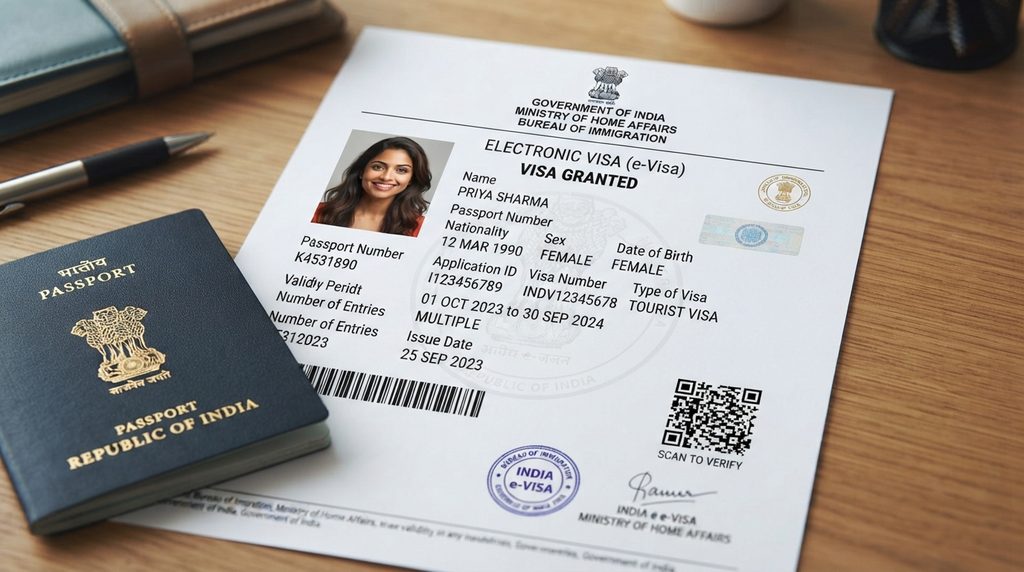
Embarking on a journey to India offers an extraordinary opportunity to immerse yourself in thousands of years of history, vibrant spiritual traditions, and breathtaking landscapes. From the snow-capped majesty of the Himalayas to the tropical backwaters of Kerala, this magnificent South Asian destination welcomes millions of international explorers every year. However, before packing your bags and booking your flights, understanding the legal entry frameworks and documentation processes is crucial for a smooth transition.
The Modernization of India’s Immigration Framework
Over the past decade, India has significantly modernized its immigration procedures, transitioning from cumbersome traditional paperwork to efficient electronic platforms. This digital evolution allows travelers from around the globe to apply for travel authorizations online, eliminating the historical necessity of visiting an embassy in person for routine short-term visits.
Whether you are planning a leisurely vacation, attending corporate meetings, or seeking specialized medical care, choosing the correct electronic category is the foundation of a hassle-free trip.
Key Electronic Visa Classifications
- Tourist Authorizations: Designed for recreational holidays, sightseeing excursions, and casual family visits.
- Business Authorizations: Tailored for corporate professionals attending trade conventions, meetings, or commercial ventures.
- Medical Authorizations: Aimed at patients seeking specialized healthcare services at recognized Indian medical institutions.
Regional Entry Guidelines for Global Explorers
International visitors must review specific regional criteria based on their nationality and passport issuance before initiating an online application. For instance, travelers planning a journey from the Caribbean can review the specific documentation criteria for an INDIAN VISA FOR BAHAMAS CITIZENS. Bahamian passport holders can utilize the digital platform to secure valid entry permits efficiently, provided they meet standard baseline passport and travel requirements.
Similarly, visitors originating from Central America can examine the administrative procedures associated with an INDIAN VISA FOR BELIZE CITIZENS. Belizean passport holders benefit greatly from streamlined electronic processing systems that expedite border clearances. Across both nationalities, standard regulations require ordinary passports to maintain a minimum validity of six months beyond the planned arrival date and feature at least two blank pages for official stamps.
Best Practices for a Successful Application Process
To prevent unnecessary travel disruptions and ensure your authorization is approved on schedule, consider these foundational administrative tips:
- Submit Well in Advance: Complete your digital paperwork at least four to seven days prior to your international departure date to accommodate processing variations.
- Double-Check Personal Data: Ensure every detail on your application form—including your full name, passport number, and date of birth—matches your official travel documents character for character.
- Carry Backup Copies: Always keep a printed copy of your electronic travel authorization confirmation alongside digital backups on your mobile device.
- Verify Port Regulations: Confirm that your arrival airport or seaport is officially designated to handle electronic travel permits.
Conclusion
Embarking on a journey to India is a deeply rewarding experience that flourishes with proper preparation. By understanding your specific regional eligibility, organizing your documents ahead of time, and following official guidelines, you pave the way for a memorable and worry-free adventure across this incredible country.
What specific region or historical monument in India is at the very top of your travel bucket list?
