
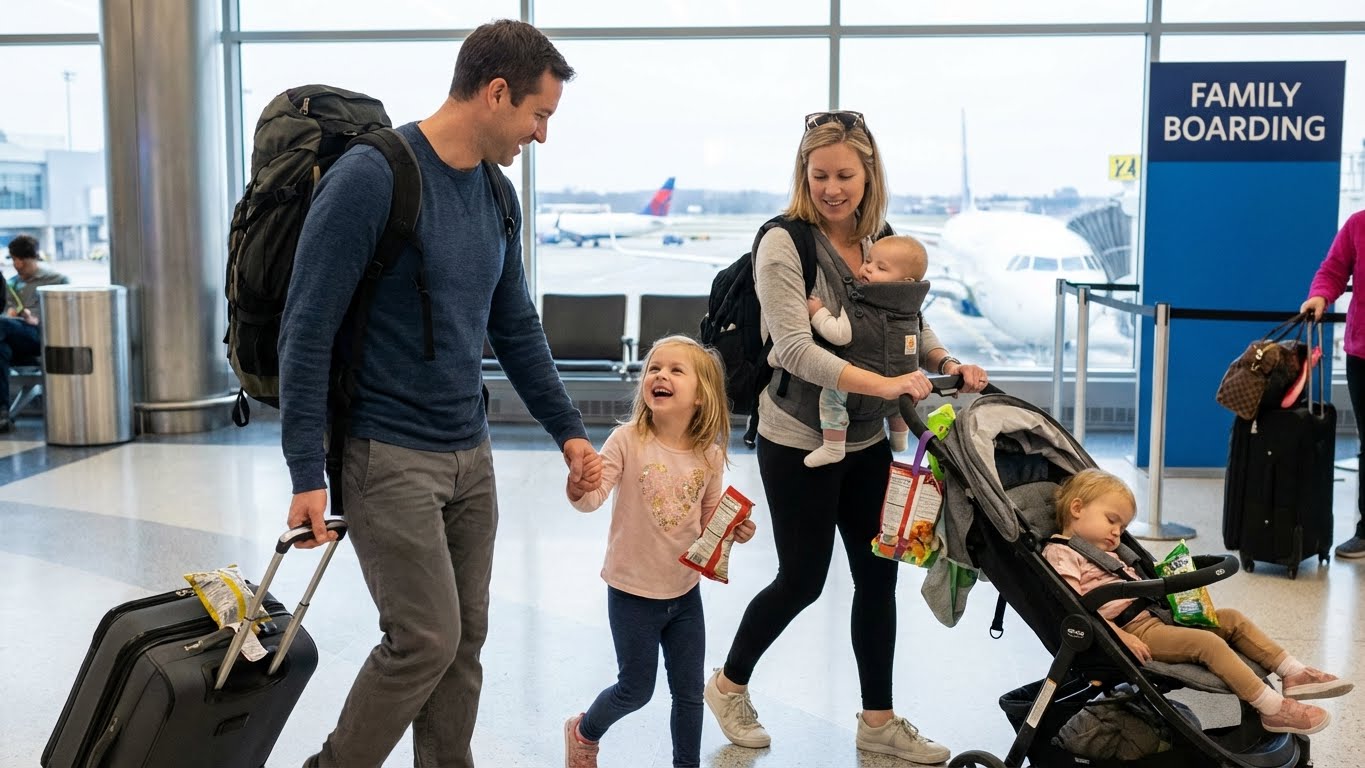
Traveling as a family is no longer just about visiting popular attractions or ticking destinations off a list. For modern families, the decision to travel with kids is about shared experiences, emotional growth, and creating memories that last long after the trip ends. While traveling with children may seem challenging at first, the right planning and mindset can turn any journey into a rewarding adventure for both parents and kids.
Families who travel together often discover that children adapt quickly, learn faster, and gain valuable life skills through exposure to new environments. From learning cultural respect to building independence, travel becomes an educational experience far beyond textbooks.
Why Travel With Kids Is More Valuable Than Ever
Many parents delay travel until their children grow older, assuming younger kids won’t remember the experience. However, traveling with children offers benefits that go far beyond memory retention. When families travel with kids, children learn patience, problem-solving, flexibility, and social skills at an early age.
Travel encourages curiosity. Seeing new places, tasting different foods, and hearing new languages stimulates a child’s mind and builds confidence. Even simple activities such as navigating an airport or exploring a local market teach children how the world works in real time.
For parents, family travel strengthens bonds. Shared challenges and discoveries create moments of teamwork, laughter, and connection that daily routines often lack.
Planning Ahead Makes Travel With Kids Easier
One of the most important aspects of traveling with children is preparation. Thoughtful planning helps avoid unnecessary stress and allows families to enjoy the journey rather than manage constant disruptions.
Choosing the right destination is key. Family-friendly destinations often offer a balance of relaxation and activities suitable for all age groups. Look for places with safe transportation, accessible healthcare, and accommodations designed for families.
When planning an itinerary, flexibility matters. Overloading a schedule can lead to exhaustion and frustration, especially for younger children. Slower travel with built-in rest time allows kids to stay energized and engaged.
Packing strategically also plays a major role. Essentials such as snacks, entertainment, weather-appropriate clothing, and comfort items help children feel secure in unfamiliar environments. When families travel with kids, being prepared for unexpected changes makes all the difference.
Choosing Family-Friendly Accommodations
Accommodation choices can significantly influence the success of a family trip. Hotels, vacation rentals, or resorts that cater to families offer features like larger rooms, kitchen access, child-safe environments, and recreational spaces.
Staying in one central location for longer periods can reduce the stress of constant packing and unpacking. Many families prefer destinations where kids can play freely while parents relax or explore nearby attractions.
For families who travel with kids frequently, accommodations that feel like a temporary home provide comfort and consistency, helping children adapt quickly.
Transportation Tips When You Travel With Kids
Transportation is often one of the biggest concerns for parents. Whether flying, driving, or using public transport, planning ahead reduces anxiety.
For flights, choosing kid-friendly flight times, reserving seats together, and packing in-flight entertainment can make air travel smoother. For road trips, regular breaks, interactive games, and scenic stops help keep children engaged and prevent restlessness.
When families travel with kids, the journey itself becomes part of the adventure rather than just a means to reach the destination.
Keeping Kids Engaged During Travel
Children experience destinations differently than adults. While parents may enjoy historical sites or scenic views, kids often connect more with interactive experiences.
Involving children in planning can increase excitement and cooperation. Letting them choose activities or destinations helps them feel included and valued. Simple experiences such as beach walks, local parks, wildlife encounters, or hands-on cultural activities often leave the strongest impressions.
When families travel with kids, focusing on experiences rather than perfection leads to more meaningful trips.
Teaching Life Skills Through Travel
Travel is one of the most effective ways to teach children real-world skills. Budget awareness, time management, cultural sensitivity, and communication are naturally introduced during trips.
Children learn responsibility by carrying their own bags, managing small budgets, or helping plan daily activities. They also develop empathy by interacting with people from different backgrounds and cultures.
When parents travel with kids, travel becomes a powerful tool for personal development and global awareness.
Balancing Relaxation and Exploration
Family travel does not need to be nonstop activity. In fact, allowing downtime helps children recharge and reduces overstimulation. Beach days, quiet mornings, or relaxed evenings provide balance to busy sightseeing schedules.
Parents should remember that traveling with children is not about recreating adult-style travel. Adjusting expectations and embracing a slower pace leads to happier experiences for everyone involved.
Families who travel with kids often find that the simplest moments—shared meals, sunset walks, or spontaneous play—become the most cherished memories.
Safety and Comfort While Traveling With Children
Safety is always a priority when traveling as a family. Researching destinations, understanding local customs, and keeping emergency contacts accessible provides peace of mind.
Teaching children basic safety rules, such as staying close and recognizing landmarks, empowers them without creating fear. When families travel with kids, open communication helps everyone feel secure.
Health considerations such as hydration, rest, and proper nutrition also play an essential role in maintaining comfort throughout the trip.
Making Travel With Kids a Lifestyle, Not a One-Time Event
For many families, travel becomes more than a vacation—it becomes a way of life. Regular trips, whether short or long, expose children to continuous learning and adaptability.
Family travel does not have to be expensive or far-reaching. Even local trips and nearby destinations offer valuable experiences. The goal is not luxury but connection, discovery, and shared growth.
When families consistently travel with kids, they create a culture of curiosity, resilience, and togetherness that shapes children well into adulthood.
Final Thoughts
Choosing to travel with kids is an investment in family connection, education, and lifelong memories. With thoughtful planning, flexibility, and the right mindset, family travel becomes less about managing challenges and more about embracing opportunities.
Whether exploring new countries or discovering hidden gems closer to home, traveling with children offers experiences that enrich both parents and kids in ways no other activity can. For families seeking inspiration, guidance, and authentic travel stories, platforms like chasinsurf.com continue to highlight how meaningful family travel can truly be.
