
In modern industrial facilities, repair shops, and commercial workshops, effective spatial organization directly impacts bottom-line performance. Disorganized workbenches, misplaced hand tools, and scattered inventory do not merely create aesthetic chaos—they cause costly operational delays, lost hardware, and unnecessary worker fatigue. Implementing a systematic, high-capacity storage infrastructure is one of the most effective strategies to optimize daily operations and protect valuable equipment.
By shifting from temporary, unorganized storage to structured, heavy-duty container systems, businesses can maximize vertical wall real estate, safeguard precision instruments, and elevate workplace productivity.
The Strategic Importance of Systematic Workspace Layouts
In high-tempo work environments, every minute spent searching for a specific wrench, socket, or fastener represents non-billable downtime. Principles of modern lean manufacturing emphasize visual management—a setup where every item occupies a dedicated, clearly visible location. When small parts and heavy tools are stored systematically:
- Retrieval Speeds Surge: Technicians locate and return items instantly, maintaining focus on core technical tasks.
- Inventory Control Improves: Open-front designs allow floor managers to visually monitor hardware stock levels at a glance, preventing unexpected stockouts.
- Workplace Safety Increases: Floor clutter and overcrowded work surfaces are eliminated, significantly reducing trip hazards, accidental spills, and tool drops.
Selecting High-Performance Bins and Modular Tool Systems
Standard plastic containers intended for light household use quickly buckle under the demands of industrial settings. Tools, machinery parts, and heavy hardware require rugged plastic storage solutions engineered to handle heavy weight capacities, sharp metal edges, and exposure to industrial fluids.
1. Heavy-Duty Stackable Plastic Bins
For organizing fasteners, electrical components, plumbing fittings, and small parts, integrating a high-density Plastic storage bin is essential. Manufactured from heavy-duty polymers, these industrial containers provide superior resistance against impacts, heavy vertical compression, and chemical degradation from lubricants or oils.
Key performance features include:
- Interlocking Vertical Stability: Molded base ridges allow containers to stack securely without warping or tipping.
- Unobstructed Front Access: Semi-open fronts let workers quickly grab contents even when units are stacked high on shelving.
- Label Slot Integration: Built-in front cardholders allow for clear labeling of part numbers, dimensions, and barcode indicators.
vertical wall space)
2. Specialized Tool Pallets and Storage Racks
While loose components fit perfectly into open storage containers, specialized hand tools, precision measuring units, and heavier equipment require structured positioning. Utilizing a durable پالت ابزار (tool pallet) keeps specialized equipment sorted, protected from impact damage, and instantly ready for deployment.
Modular tool pallets and dedicated tool racks keep cutting edges separated, preventing wear, corrosion, and accidental nicking. When mounted onto heavy-duty louvered wall panels or integrated into mobile workshop carts, these systems offer versatile storage configurations tailored to modern dynamic shop floors.
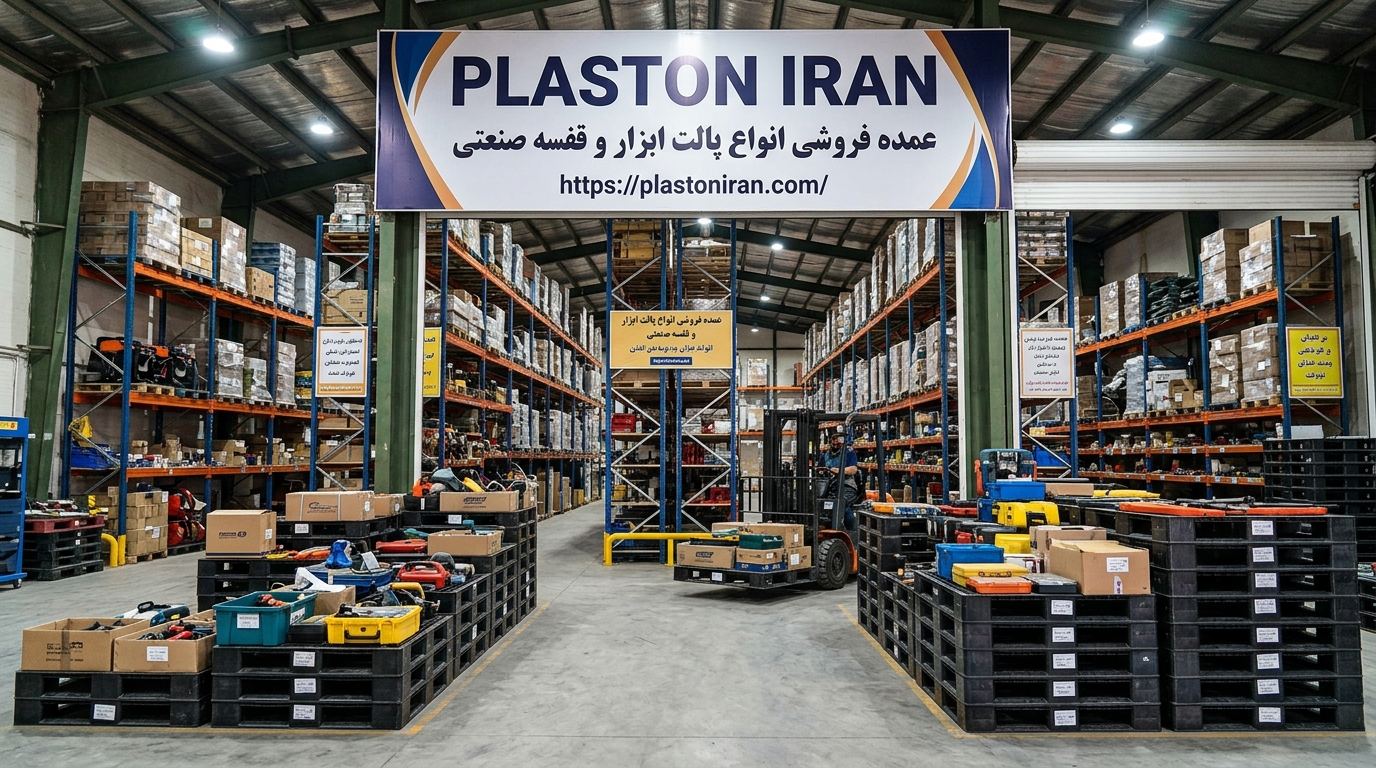
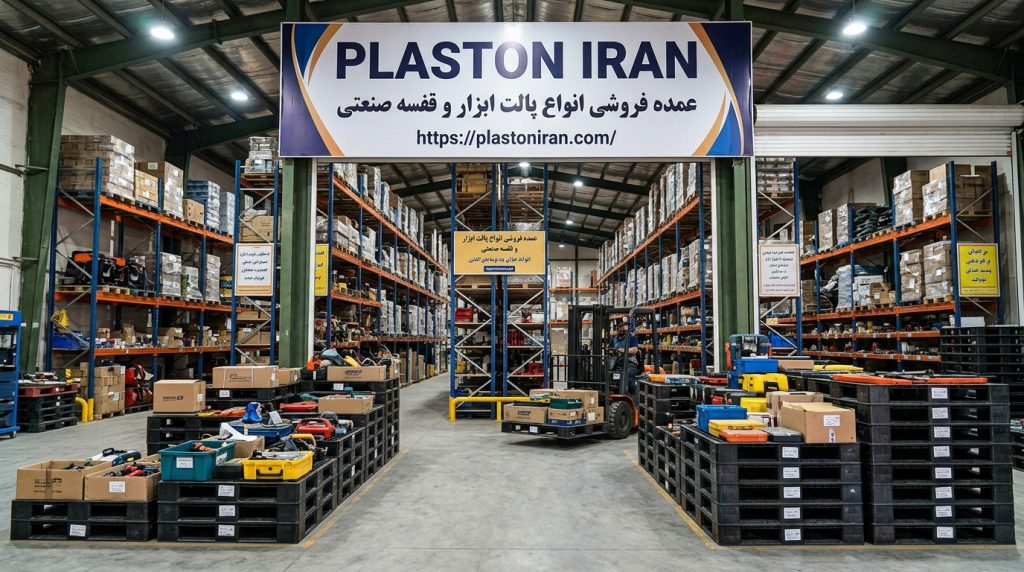
Direct purchasing of heavy-duty tool pallets, industrial tool boxes, and storage racks directly from specialized manufacturers like Plaston Iran ensures access to guaranteed build quality, competitive pricing, and rapid nationwide delivery for commercial and industrial operations.
Practical Layout Strategies for Peak Efficiency
To derive maximum efficiency from your storage hardware, consider implementing these practical layout principles:
| Layout Strategy | Practical Application | Core Operational Benefit |
| Vertical Wall Mounts | Attach louvered panels and vertical racks directly above workbenches. | Clears valuable surface area while keeping tools within arm’s reach. |
| Categorical Color Coding | Assign specific container colors to distinct departments (e.g., blue for electrical, red for mechanical). | Eliminates guess-work, minimizes picking errors, and speeds up cleanup. |
| Ergonomic Frequency Staging | Place high-demand items at waist level and lesser-used equipment on top or bottom tiers. | Reduces repetitive bending and stretching, mitigating physical fatigue over long shifts. |
Applying the 5S Methodology to Tool Management
Originating from lean production practices, the 5S system offers a continuous improvement framework for facility organization:
- Sort (Seiri): Remove unneeded items, damaged tools, and trash from the primary workspace.
- Set in Order (Seiton): Assign every tool and component to a designated storage bin or pallet layout.
- Shine (Seiso): Regularly clean storage containers, removing metal shavings, dust, and grease build-up.
- Standardize (Seiketsu): Enforce uniform labeling standards across all workstations and storage racks.
- Sustain (Shitsuke): Conduct routine audits to maintain organizational discipline long-term.
Long-Term Value and ROI
Upgrading your workspace infrastructure with industrial-grade storage hardware is an investment in long-term efficiency and equipment preservation. Low-grade containers bend under load, crack under cold temperatures, and fail under continuous use. Choosing heavy-duty plastic storage bins, modular tool pallets, and sturdy racking systems ensures reliable durability under demanding workshop conditions.
By equipping your facility with professional storage hardware today, you eliminate workflow bottlenecks, minimize tool loss, and create an organized, highly effective environment built for sustained productivity.
