
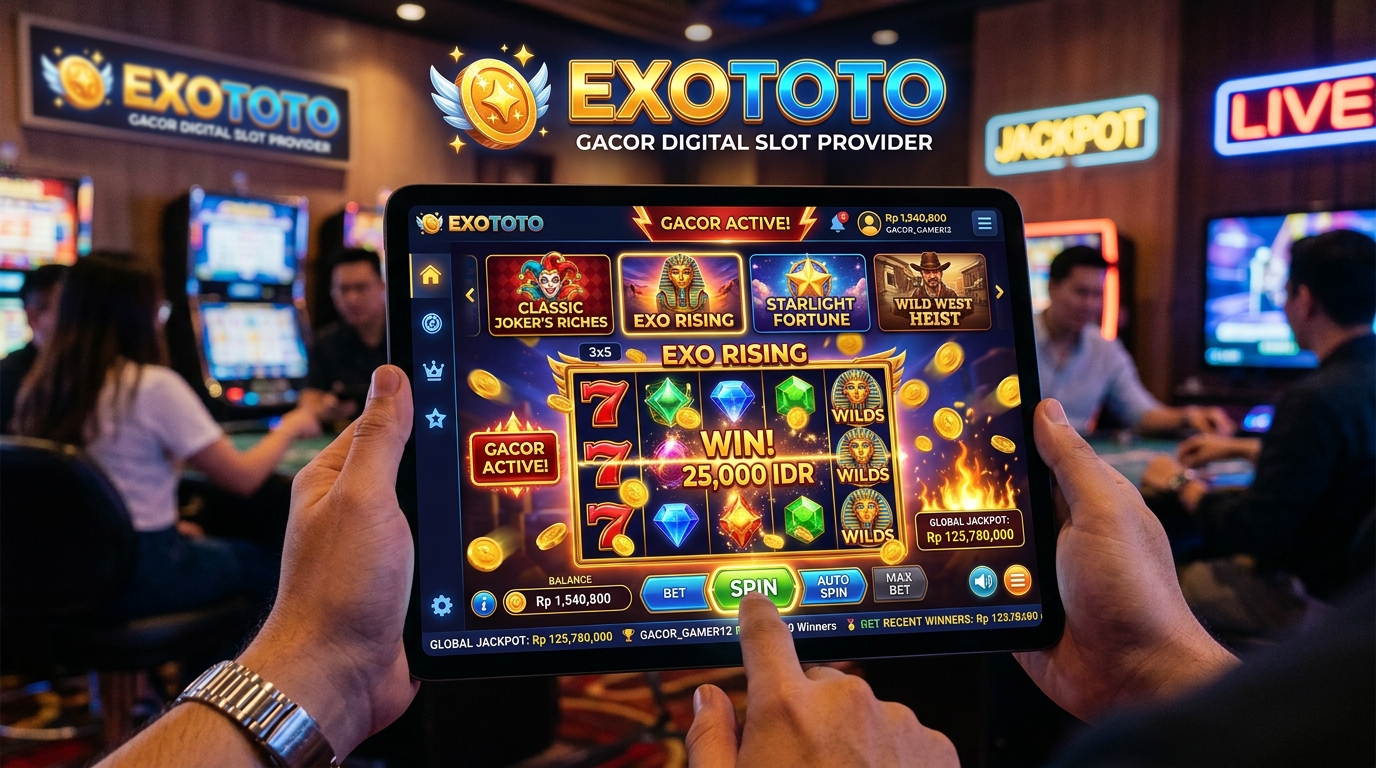
The digital landscape is undergoing a massive transformation. As technology advances, players are no longer satisfied with static, repetitive experiences. Instead, they are seeking platforms that blend high-performance mechanics with immersive storytelling and seamless user interfaces. Among the various trends shaping this industry, the rise of the digital gaming experience stands out as a prime example of how classic concepts can be reimagined for a modern, tech-savvy audience.
The Intersection of Classic Concepts and Modern Tech
At its core, the popularity of these gaming platforms relies on a “back-to-basics” philosophy fused with cutting-edge digital infrastructure. Many developers have realized that while players love the nostalgia of traditional spinning reels and straightforward win mechanics, the delivery mechanism must feel fresh.
By integrating high-speed cloud computing and sophisticated random number generation (RNG), developers are ensuring that the gaming experience is not only fair and transparent but also incredibly responsive. This shift toward “digital-first” gaming means that whether a user is playing on a mobile device or a desktop, the experience remains fluid, devoid of the lag that historically plagued browser-based games. This commitment to performance is exactly what creates a slot gacor environment—one that feels “hot,” responsive, and consistently rewarding for the player.
Why Interactivity Matters in 2026
Modern gaming is no longer just about the outcome; it is about the journey. To stay relevant in an increasingly crowded market, platforms must prioritize user interface (UI) and user experience (UX) design. A truly engaging platform focuses on several key pillars:
- Immersive Audio-Visuals: Using high-definition graphics and dynamic soundscapes to keep the player engaged.
- Intuitive Navigation: Eliminating friction points so that players can jump into their favorite titles with a single click.
- Dynamic Pacing: Incorporating varied gameplay elements that keep the session exciting without becoming overwhelming.
- Cross-Platform Synchronization: Ensuring that a player’s progress is saved and accessible across all devices, a standard expectation in today’s mobile-centric world.
The Importance of Trust and Infrastructure
Behind every successful gaming platform lies a robust backend architecture. For operators, the challenge is not just creating a “fun” game, but building an environment that is secure, scalable, and reliable. When providers prioritize security protocols—such as advanced encryption and secure data handling—players feel more confident spending their leisure time on the platform.
Furthermore, the integration of community-driven features has become a game-changer. Allowing players to share milestones, participate in leaderboards, or engage in community challenges adds a layer of social connectivity that was previously missing from the solitary act of digital gaming. This sense of belonging turns a simple site into a vibrant, interactive community.
Navigating the Future of Digital Entertainment
As we move further into 2026, the expectations for online gaming platforms will only continue to rise. Players are demanding faster loading times, more personalized content recommendations, and a higher standard of customer support. The providers that succeed will be those that view their platform not merely as a collection of games, but as a holistic entertainment service.
We are seeing a trend where gaming developers are experimenting with gamification—introducing RPG-like elements, unlockable content, and level-up systems that reward loyalty. This evolution bridges the gap between traditional gaming and interactive entertainment, creating a “stickier” experience that keeps users coming back not just for the thrill, but for the ongoing engagement.
Building for Long-Term Engagement
For those looking to enter or participate in this space, the focus should always be on longevity rather than short-term gains. Quality content, supported by a stable and transparent platform, is the only way to build a brand that resonates with the community. When a platform consistently delivers on its promises—offering fair gameplay, excellent performance, and a user-friendly interface—it naturally earns the trust of its users.
The digital gaming ecosystem is competitive, but it is also full of opportunity for those who respect the player’s time and desire for quality. By focusing on professional standards and embracing the interactive nature of modern digital entertainment, developers can create experiences that stand the test of time. Ensuring that the thrill of the game is matched by the quality of the platform is the hallmark of a true industry leader in the digital age.
Would you like to explore how specific gamification strategies can further increase user retention on these types of platforms?
